


Cryptocurrency trading has become an established part of the global financial ecosystem, and the United States remains a major hub for digital asset activity. Entrepreneurs and businesses planning to build a crypto exchange in the USA must address multiple aspects beyond basic software development. Technology architecture, regulatory obligations, security controls, and operational structure all play a role in how a crypto exchange functions in the long term.
This blog explains the key components involved in launching a cryptocurrency exchange in the USA, with a focus on practical considerations rather than promotional claims.
Understanding Crypto Exchange
A cryptocurrency exchange is a digital asset platform that allows users to trade cryptocurrencies with other users or against fiat currencies such as USD. Crypto exchanges act as intermediaries that manage order execution, pricing, transaction records, and user access.
In the U.S. market, crypto exchanges are expected to operate transparently, maintain proper records, and follow financial compliance standards. Development is not limited to coding; it also involves system design, compliance planning, and operational readiness.
Types of Cryptocurrency Exchanges
Choosing the crypto exchange model is an early decision that affects development complexity and regulatory exposure.
Centralized Cryptocurrency Exchange (CEX)
A centralized exchange is operated by an organization that controls user accounts, order matching, and asset custody. Users deposit funds into platform-managed wallets, and trades are processed internally.
This model is commonly used due to faster transaction execution and higher liquidity. However, it also requires strict security controls and compliance oversight.
Decentralized Cryptocurrency Exchange (DEX)
A decentralized exchange allows users to trade directly from their wallets using smart contracts. The platform does not hold user funds, which reduces custodial risk.
DEX platforms are typically more complex for non-technical users and may face liquidity limitations. Fiat currency integration is also more restricted.
Hybrid Cryptocurrency Exchange
Hybrid exchanges combine centralized trade execution with decentralized asset storage. This approach attempts to balance operational efficiency and user control over funds.
Core Technology Components
A cryptocurrency exchange relies on several interconnected technical layers.
Frontend Interface
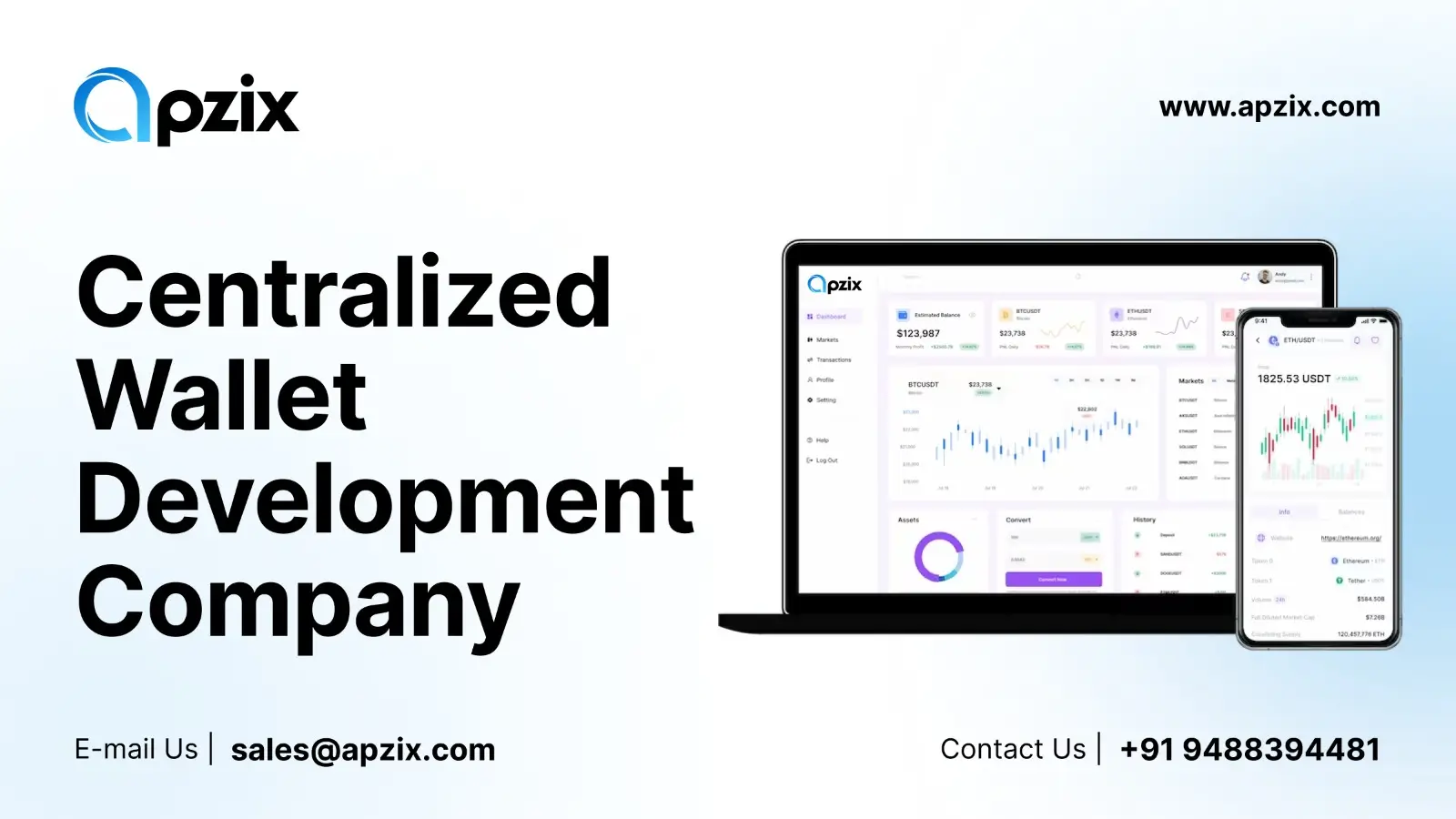
The frontend is responsible for user interaction. It includes dashboards, order placement screens, charts, wallet balances, and account settings. Clarity and responsiveness are important for usability across devices.
Common frontend frameworks include React.js and similar JavaScript-based technologies.
Backend System
The backend handles user authentication, order processing, transaction records, and system logic. It communicates with databases, blockchain networks, and third-party services.
Backend development often uses Node.js, Python, or PHP-based frameworks.
Trading Engine
The trading engine matches buy and sell orders based on predefined rules. It must process orders accurately and efficiently, especially during periods of high trading activity.
A stable trading engine directly affects platform reliability.
Wallet Infrastructure
Wallet systems manage cryptocurrency deposits and withdrawals. Exchanges typically use a combination of hot wallets for daily operations and cold wallets for asset storage.
Wallet management must include monitoring, reconciliation, and security controls.
Regulatory Requirements in the USA
Crypto exchange operators in the USA must comply with federal and state regulations.
Federal Compliance
Most crypto exchanges are required to register as a Money Services Business (MSB) with the Financial Crimes Enforcement Network (FinCEN). This includes implementing:
Know Your Customer (KYC) procedures
Anti-Money Laundering (AML) policies
Transaction monitoring systems
State-Level Licensing
Some states impose additional licensing requirements. For example, New York requires a BitLicense. Other states may require money transmitter licenses.
Regulatory obligations can vary by location, making legal consultation important during planning.
Security Practices
Security is a foundational requirement for cryptocurrency exchanges.
Common security measures include:
Two-factor authentication (2FA)
Encrypted data storage
Cold wallet storage for digital assets
Role-based administrative access
Monitoring for suspicious activity
Security processes should be reviewed regularly to address emerging risks.
Liquidity and Market Operations
Liquidity affects how easily trades can be executed without significant price changes. New exchanges often rely on external liquidity providers or market-making strategies to maintain order book activity.
Adequate liquidity supports fair pricing and consistent trading behavior.
Business Model Considerations In Developing Crypto Exchange In USA
A cryptocurrency exchange typically generates revenue through multiple channels:
Trading fees on completed orders
Withdrawal or transaction processing fees
Asset listing fees
Premium account features
API access for institutional users
Fee structures should be designed to balance platform sustainability and user participation.
Development and Operational Planning In Crypto Exchange USA
Beyond launch, crypto exchange operators must plan for:
Ongoing system maintenance
Regulatory updates
Customer support operations
Infrastructure monitoring
Data reporting and audits
These operational elements contribute to long-term platform stability.
Role of a Development Partner
Developing a crypto exchange USA often involves collaboration between technical teams, legal advisors, and compliance professionals. A cryptocurrency exchange development company can assist with system architecture, integration planning, and technical implementation.
ApziX works on crypto exchange development projects by focusing on platform structure, blockchain integration, and operational readiness rather than packaged or generic solutions.
Conclusion
Building a cryptocurrency exchange in the USA requires more than application development. Technology architecture, regulatory compliance, security controls, and operational planning must align to create a functional trading platform.
Businesses planning to enter the digital asset market should approach development methodically, with attention to legal obligations and system reliability. Working with an experienced cryptocurrency exchange development company usa such as ApziX can help address technical and structural requirements involved in building and operating a crypto exchange in the U.S. market.